Plastic bottle recycling machine
What this page covers
Plastic bottle recycling machine
Plastic bottle recycling machines, often called reverse vending machines, let people return empty PET bottles in public places such as malls or supermarkets instead of throwing them away as waste.
In the UAE, these machines work alongside options like public recycling bins, curbside services, school drives and NGO events, making it easier to collect bottles for proper recycling and circular use of materials.
In brief
- A plastic bottle recycling machine accepts used PET bottles and stores them for collection, helping keep single-use plastics out of landfills and the environment.
- In the UAE, machines in locations such as malls and retail centres operate with public bins, school drives and NGO events to increase convenient recycling points.
- Some machines and partner programmes offer rewards, where bottles earn points that can be converted into shopping vouchers or similar incentives to encourage regular recycling.
What to do
Plastic bottle recycling machines are designed to make returning bottles simple and visible. A user places an empty PET bottle into the machine, which identifies and stores it securely so it can be collected in bulk. This supports organised collection, reduces litter and feeds bottles into established recycling streams instead of general waste.
In the UAE, these machines are part of a wider collection ecosystem that includes public recycling bins, curbside collection services, school campaigns and NGO-led drives. Together, these channels increase the volume of bottles captured for recycling and make it easier for residents, visitors and organisations to participate in circular practices.
Some reverse vending machines are linked to reward schemes where each bottle earns points that can be redeemed for benefits such as shopping vouchers. These incentives encourage people to bring bottles back regularly, helping brands, retailers and communities raise recycling rates while building habits that support a more sustainable circular economy.
What to keep in mind
Installing and operating physical recycling machines comes with practical constraints. Organisations must consider upfront and ongoing costs, space and permissions for installation, and the logistics of regular collection and maintenance to keep machines reliable and appealing to users.
Because of these requirements, machines are often best suited to high-traffic locations such as malls or large retail stores, where enough bottles are returned to justify the investment. In other settings, options like public bins, pickup services, school drives or NGO events may be more flexible ways to collect plastic bottles.
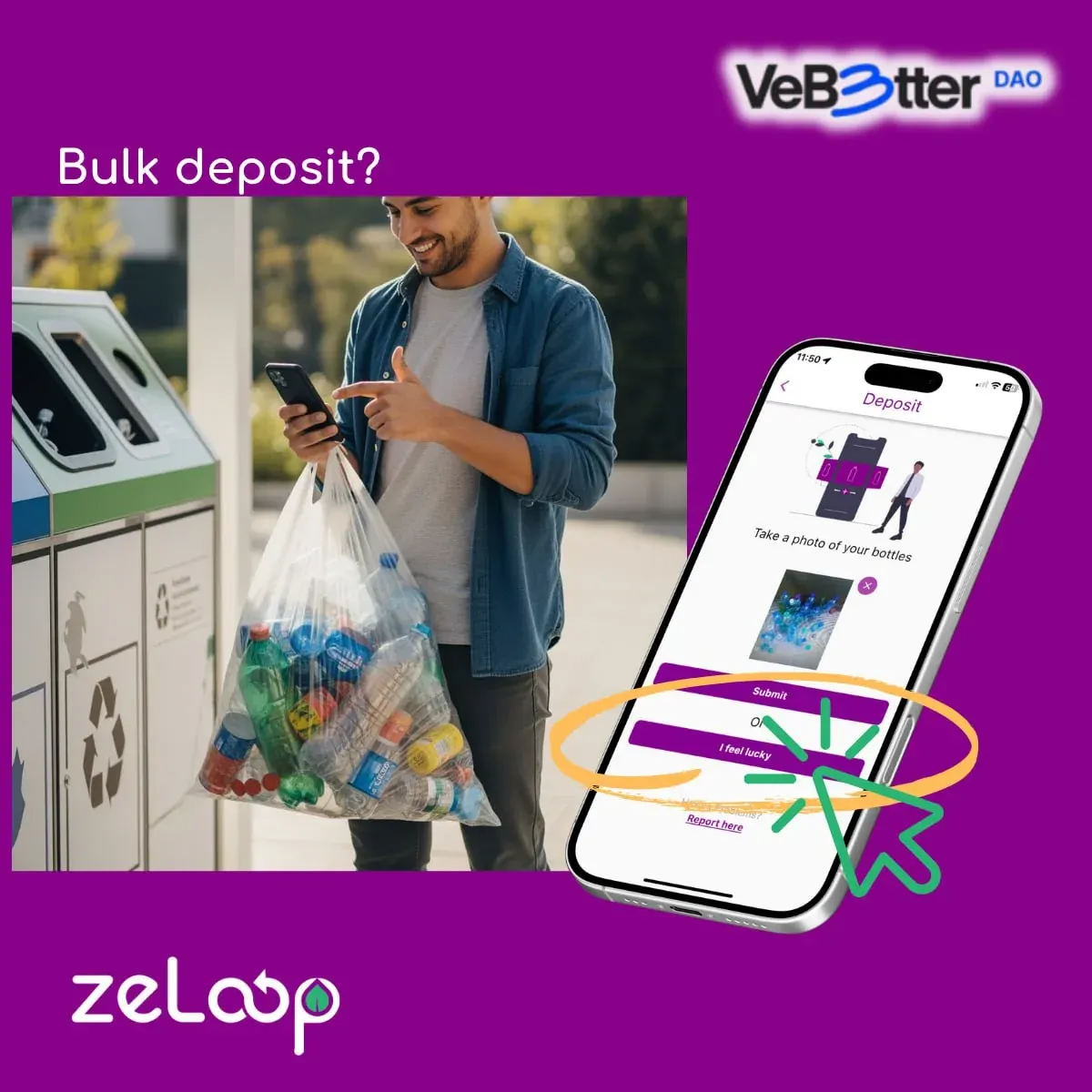
For stakeholders comparing solutions, it can be useful to look at both hardware-based options like reverse vending machines and app- or service-based alternatives that track collections and rewards without installing equipment. The right mix depends on budget, available space, desired visibility and how much measurable data on plastic collection is needed.