Verra vs ZeLoop plastic credits
What this page covers
Verra vs ZeLoop plastic credits
Plastic credits are emerging as a voluntary way for organisations to take responsibility for plastic waste. Verra develops recognised standards for plastic projects and credits, while ZeLoop focuses on engaging people to collect plastic and turning that effort into digital credits.
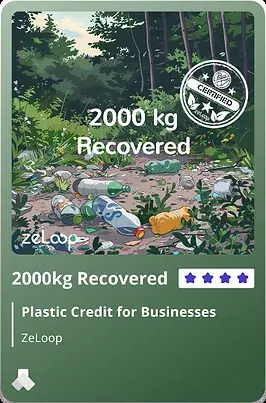
ZeLoop plastic credits are created from real, verified plastic collection and issued as NFT certificates so businesses and individuals can offset part of their plastic footprint. Both Verra and ZeLoop aim for credible impact, but ZeLoop adds a consumer rewards app to drive everyday behaviour change and traceable results.
In brief
- Verra provides plastic standards that define how projects can generate and issue plastic credits, while ZeLoop builds a community app that rewards people for collecting plastic and converts that impact into plastic credits.
- ZeLoop uses NFTs to represent plastic credits created from verified collections, giving companies and individuals a transparent, traceable way to offset part of their plastic footprint.
- Any plastic credit, whether aligned with Verra or ZeLoop, should complement real reductions in plastic use and be backed by clear data and independent checks to reduce greenwashing risks.
What to do
Verra is known for developing standards that define how plastic collection and recycling projects can generate credible plastic credits. These standards help companies choose projects that follow clear rules on measurement, additionality and reporting, and they sit within a broader, evolving landscape of voluntary plastic credit schemes.
ZeLoop approaches plastic credits from the ground up. Through the ZeLoop app, consumers bring plastic bottles to collection points, upload a photo, and are geo‑located so deposits can be validated. Verified collections are converted into NFT certificates called ZeLoop Plastic Credits, allowing businesses and individuals to offset part of their plastic footprint while directly rewarding people who prevent littering.
In practice, Verra-style standards and ZeLoop’s model can be complementary. Verra focuses on robust frameworks for projects and claims, while ZeLoop focuses on community engagement, digital tracking and Eco‑Rewards that can be exchanged for discounts or even cash and Bitcoin. Together, they show how plastic credits can combine strong rules with real‑world participation.
What to keep in mind
Plastic credits are still voluntary and less standardised than carbon markets, so any comparison between Verra and ZeLoop must recognise these limits. Verra’s plastic standards offer one reference for quality, while ZeLoop’s programme uses NFTs and app‑based tracking to bring transparency to how credits are created from actual plastic collections.
Credible plastic credits, whether issued under Verra‑aligned projects or generated via ZeLoop’s ecosystem, should be backed by independent audits and clear chain‑of‑custody proof. Global guidance stresses that brands should first reduce their plastic footprint, then use credits only for the remaining, hard‑to‑avoid plastic, and avoid claiming that credits alone make them plastic neutral.
ZeLoop’s community is built around people who want to combat plastic pollution with minimal effort, and companies that seek to improve their environmental reputation and CSR. For such organisations, ZeLoop plastic credits can be a practical tool to support collection projects and document impact, while Verra’s standards can help frame policies and claims so they remain transparent, responsible and aligned with emerging best practice.