
Plastic footprint and ESG reporting
What this page covers
See how measuring your plastic footprint can strengthen ESG reporting and make your sustainability strategy more transparent. This hub gathers guidance focused on plastic use, recovery and impact.
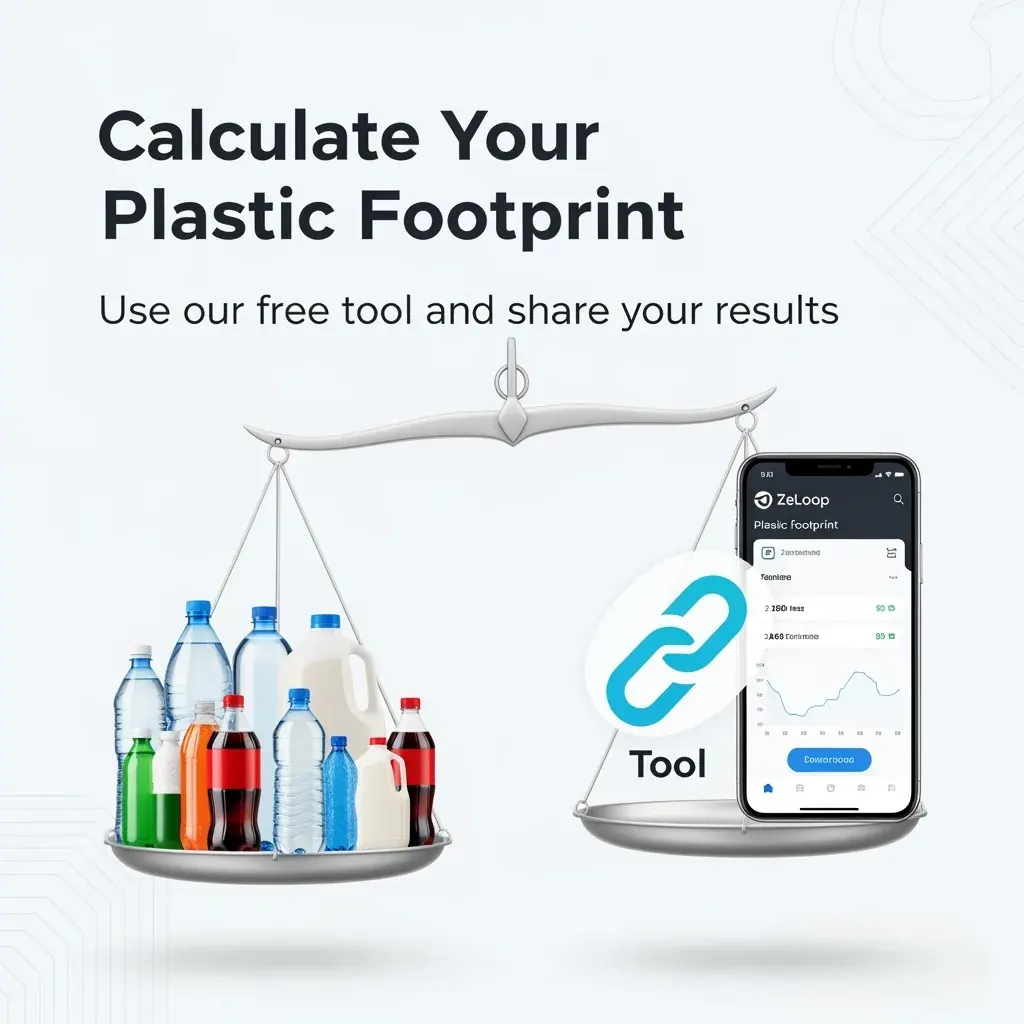
Learn how to calculate your organisation’s plastic footprint using up-to-date data and recognised methodologies so you can set clear, comparable benchmarks over time.
From high-level footprint measurement to detailed reporting topics, use this page to navigate to focused content on plastic footprint reporting and related ESG impact tracking, including how ZeLoop can support your efforts.
What to choose
- Understand what a plastic footprint is and how measuring it can improve transparency and accountability in your ESG and sustainability strategy.
- Explore how to start calculating your organisation’s plastic footprint using recent scientific data, structured methodologies and digital tools.
- Find out how individuals and teams can reduce their plastic footprint, join the ZeLoop community and contribute to wider sustainability goals.
Where to go next
Below you will find a dedicated page on plastic footprint reporting, focused on how to measure plastic use and recovery in a consistent, auditable way.
Use the child page to dive deeper into reporting practices, impact tracking and how plastic footprint insights, plastic credits and ZeLoop data can support wider ESG disclosures.
What matters
- Calculating a plastic footprint helps companies use the latest scientific data and methodologies to understand their plastic use, recovery and impacts more clearly.
- Footprint measurement creates benchmarks that make sustainability efforts more transparent, comparable and easier to track over time for ESG and CSR reporting.
- Individuals and organisations can join the ZeLoop community, use the app to track plastic collection and generate plastic credits as a practical way to start reducing or offsetting their plastic footprint.