
10 ways to reduce waste at school
What this page covers
ways to reduce waste at school
Reducing waste at school starts with everyday choices that cut down on plastic and other disposable items. Simple changes in how students, teachers, and staff use materials can make the campus more environmentally friendly over time.
By focusing on using resources efficiently and rethinking habits, schools can build a culture of sustainability. Small, repeated actions from many people add up and help lower the overall waste footprint of the school community.
In brief
- Use materials efficiently, especially plastic, so that fewer items are thrown away after a single use at school.
- Encourage students and staff to join awareness activities that show how daily choices affect pollution and waste.
- Turn waste reduction into a shared learning experience through school initiatives such as recycling programmes, clean-up days, or collection drives.
What to do
Practical waste reduction at school begins with how plastic is used. Guidance from organisations such as UNICEF highlights that using plastic more efficiently and avoiding unnecessary items can lower the amount that ends up in bins. Applying this mindset on campus means looking at bottles, packaging, and classroom supplies and asking whether they can be reduced, reused, or avoided altogether.
ZeLoop supports efforts to reduce plastic footprints by encouraging a shift toward a low-plastic future. This approach recognises that cutting plastic waste is complex, but it can be addressed through clear strategies and consistent action. When schools align with this vision, they can turn their campuses into places where responsible plastic use is part of everyday life.
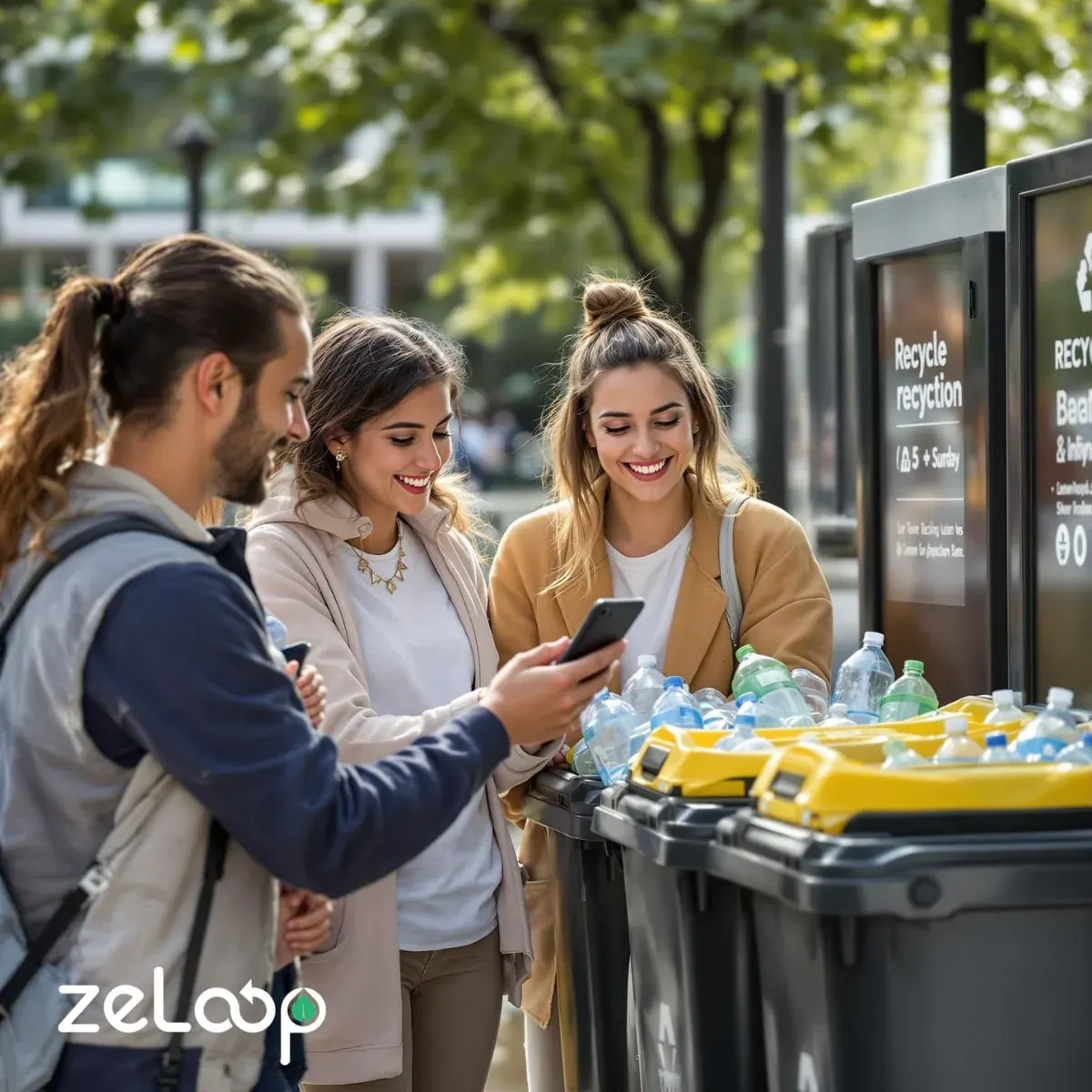
Individual stories show how school environments can support better habits. For example, one ZeLoop user started by collecting bottles at school and during picnics, then motivated neighbours to pass on their empty bottles for proper recycling. This kind of behaviour shows how students can extend waste reduction efforts beyond the classroom and into their wider communities.
What to keep in mind
School waste reduction is often linked to structured programmes and challenges. Materials describing school and campus recycling challenges refer to guides on how to launch initiatives that include planning, announcing, collecting, and measuring results. These steps help schools move from general intentions to organised actions that can be tracked over time.
Regional examples show how ambitious school projects can look in practice. A feature on Waste-Free Schools in the UAE describes a project involving many schools, agreements between institutions, sorting bins, and workshops. Such initiatives show that effective waste reduction usually combines infrastructure, clear rules, and ongoing education for students and staff.
Learning by doing is a recurring theme in descriptions of recycling competitions. When students participate in collection drives and awareness activities, they not only help reduce waste but also build a deeper understanding of pollution and sustainability. At the same time, each school needs to adapt these ideas to its own context, resources, and level of community engagement.