School recycling challenge
What this page covers
School recycling challenge
A school recycling challenge turns everyday plastic bottle collection into a simple, hands-on way for students to act on sustainability. By focusing on easy actions like gathering bottles at school, during events and picnics, it helps young people see how small habits can reduce waste.
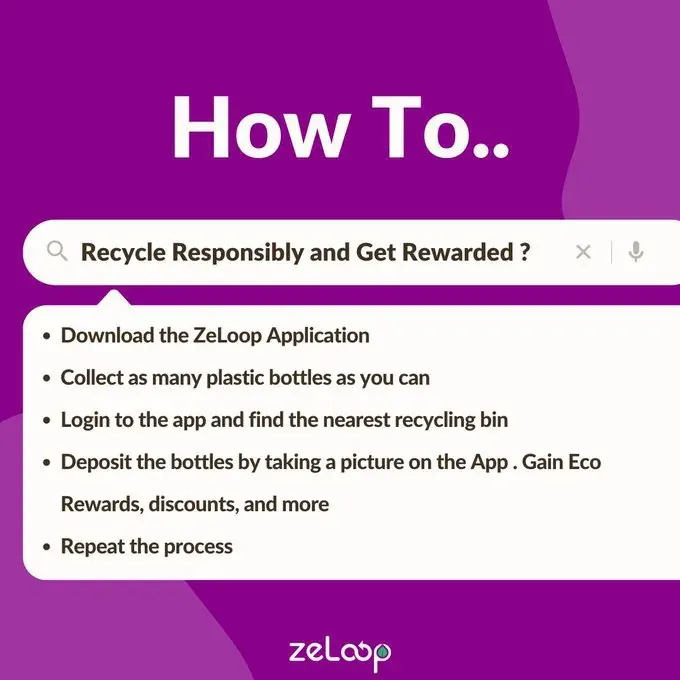
With tools such as the ZeLoop app, students can collect bottles and drop them in existing recycling bins on campus or in their buildings. This makes it easier for schools to motivate learners, track participation and build a culture of responsible recycling together with families and neighbours.
In brief
- A school recycling challenge encourages students to collect and recycle items such as plastic bottles during school time, events and daily life, turning recycling into a shared goal for the whole school.
- Challenges can go beyond the classroom by involving neighbours and the wider community, with students gathering empty bottles and placing them in nearby recycling bins or collection points.
- Digital tools like the ZeLoop app can support these initiatives by helping participants log collections, join missions and stay engaged in tackling the growing plastic waste problem.
What to do
A practical way to run a school recycling challenge is to build on what students already do every day. One example from the ZeLoop community is a student who began collecting bottles at school and during picnics, then expanded his efforts by asking neighbours in his building to give him their empties. He deposited everything in the basement recycling bins, showing how a simple routine can divert significant plastic from general waste.
Youth-led initiatives such as Going Green Dubai, founded by a 15‑year‑old ZeLoop Ambassador, show how powerful student engagement can be. The platform was created to encourage young people and the wider community to take up recycling, demonstrating that a school challenge can be a starting point for broader environmental action. When students see their peers leading by example, they are more likely to participate and stay committed.
School recycling challenges also help students understand the wider recycling landscape. ZeLoop content on the growing plastic problem highlights that the recycling industry faces real challenges and implications. By linking classroom activities with these real‑world issues, schools can move beyond one‑off campaigns and help learners think critically about plastic use, collection and the importance of proper recycling systems.
What to keep in mind
To make a school recycling challenge work in practice, it helps to follow clear steps such as planning the activity, announcing it to the school community, collecting materials and measuring results. Guidance shared for schools in the UAE recommends engaging teachers, setting clear rules and using simple structures so that students know what to collect and where to place it.
Experience from initiatives like Waste‑Free Schools UAE shows that infrastructure and support matter. In that project, selected schools received sorting bins and workshops, supported by agreements between authorities and education partners. This kind of framework illustrates that challenges are most effective when schools have access to proper collection points, clear responsibilities and ongoing awareness activities.
Recycling competitions in UAE schools are also used as learning‑by‑doing tools to build environmental awareness. Municipal programmes that recognise winning schools underline that the aim is not only the volume of waste collected but also the educational outcome. A school recycling challenge is therefore best suited to institutions ready to combine practical collection with lessons about sustainability, rather than treating it as a standalone contest.