White label recycling app
What this page covers
White label recycling app
A white label recycling app lets organisations offer a fully branded mobile experience that helps people understand what can be recycled and how to do it correctly. It builds on proven consumer apps that guide users on whether a container can be recycled or not, without the need to develop new technology from scratch.
By using a ready-made sustainability platform as the engine, you can focus on your brand, content, and engagement while the app supports better recycling habits and more responsible behaviour in everyday life. This approach is well suited to companies, schools, cities, and NGOs that want to promote practical eco-actions under their own identity.
In brief
- Give your audience a simple mobile tool, in your own branding, that indicates whether a container can be recycled and how to dispose of it properly.
- Use an existing sustainability platform instead of building your own, so you can launch faster, reduce development risk, and concentrate on engagement and education.
- Support behaviour change by putting clear recycling guidance, rewards, and challenges on the device people use most, helping them make better decisions at the point of disposal.
What to do
A white label recycling app is built on a sustainability platform that has already been tested with consumers to inform them about recyclability. One early concept in ZeLoop’s story focused on telling users, via an app, whether a container could be recycled or not. This type of functionality can be adapted to different brands that want to promote responsible waste management and reduce littering.
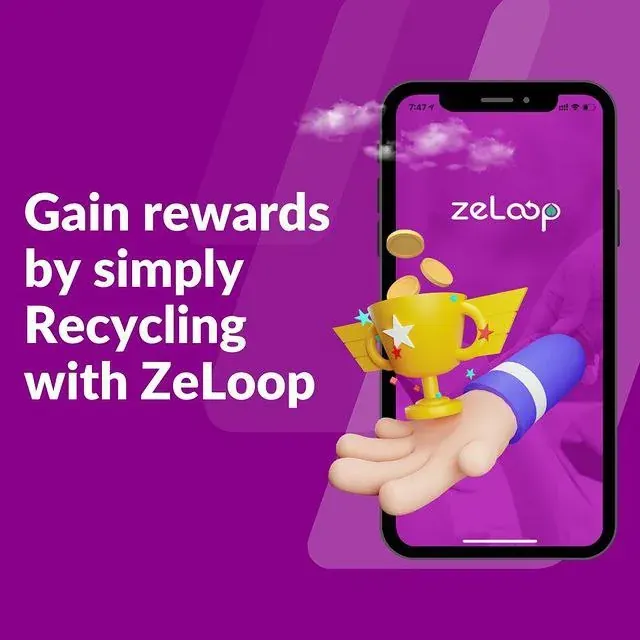
ZeLoop is a mobile platform that aims to shift consumer behaviour by rewarding users for collecting and recycling plastic waste, helping to minimise what ends up in landfills or the environment. It uses technology to let users record new deposit spots, validate collected plastic amounts, and exchange rewards for benefits or donations to initiatives that support a circular economy and a healthier planet.
Within the ZeLoop app, features such as a personal dashboard and “Hero status” show how engagement can be gamified. Users can climb a social ladder of collectors, unlock belts and badges, and measure and share their impact. A white label approach can draw on these ideas, giving organisations a way to encourage participation in recycling while keeping the experience consistent with their own sustainability narrative and visual identity.
What to keep in mind
A white label recycling app is particularly relevant for organisations that want a branded digital channel for recycling and eco-actions but do not want to develop an entire platform themselves. Typical needs include low engagement in current programmes, fragmented tools for challenges and rewards, and difficulty tracking participation and impact across locations or branches.
Using an existing sustainability platform as the base can help address these pains. It can centralise participation data, collected materials, and impact metrics in one place, while aligning the app experience with an organisation’s brand and CSR or ESG priorities. ZeLoop’s focus on recording deposit spots, validating plastic collections, and rewarding users illustrates how such a platform can support measurable circular-economy initiatives.
At the same time, a white label recycling app is not a complete answer to every sustainability challenge. It is best suited to programmes where consumer or community behaviour change, recycling guidance, and engagement are central goals. Organisations still need to design their own campaigns, define rewards or recognition, and ensure that on-the-ground collection and recycling infrastructure exists to turn digital engagement into real-world impact.