Recycling in uae
What this page covers
Recycling in uae
Recycling in the UAE is growing through a mix of government programmes, private operators and reward-based initiatives that make it easier for residents to return items like plastic bottles instead of sending them to landfill.
From mall reverse vending machines to app-powered collection and drop-off services, people across the UAE can increasingly recycle everyday packaging while earning rewards and supporting a more circular local economy.
In brief
- Residents in the UAE can recycle plastic bottles through municipal collection points, mall reverse vending machines and selected store take-back schemes that accept sorted packaging.
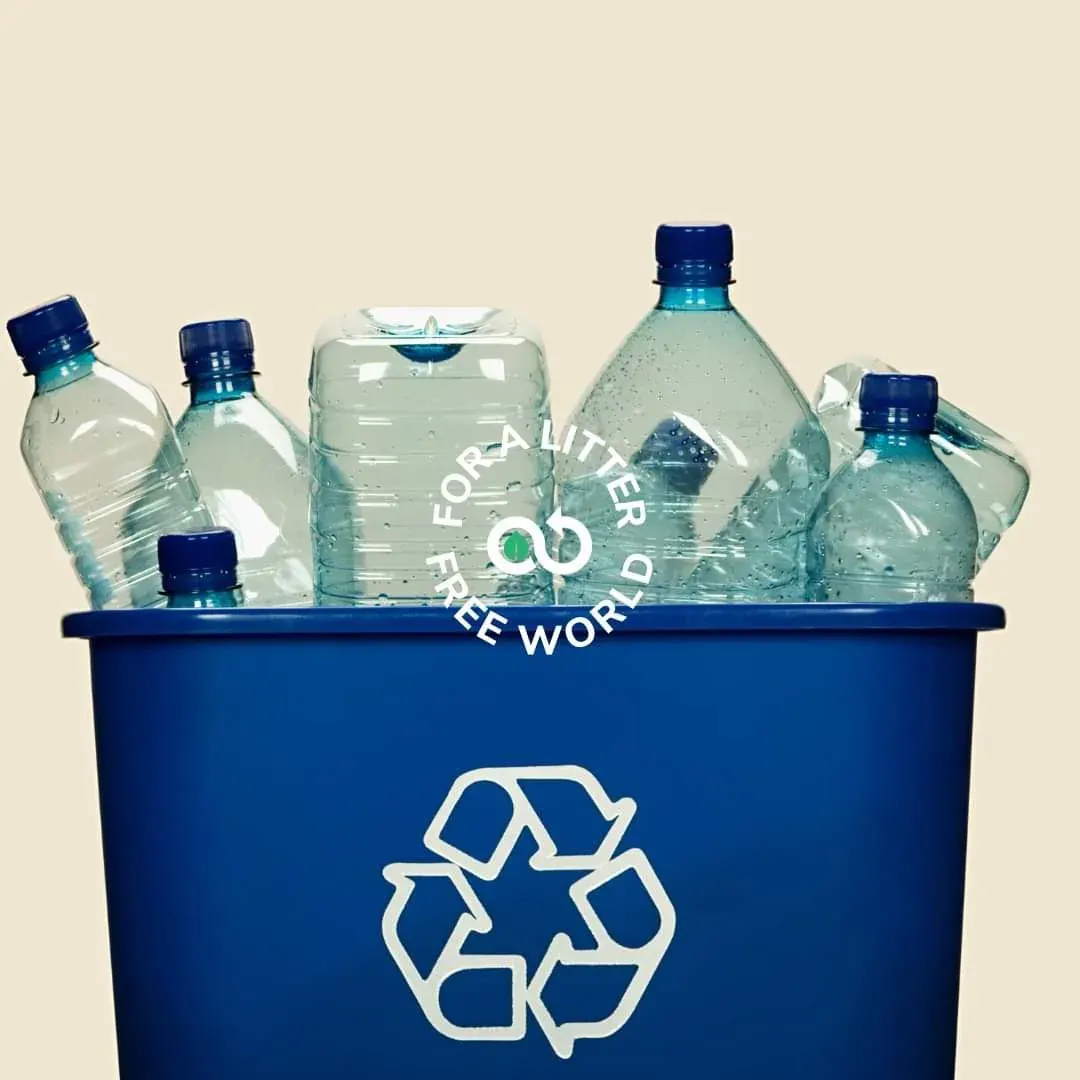
- Most plastic water bottles are made from widely recyclable PET. They should be emptied, quickly rinsed and drained before being placed in a bin or machine to reduce contamination.
- Doorstep pickup services and reward-based recycling apps are available only in certain areas, so it is important to check local options and guidelines for what is accepted where you live.
What to do
Across the UAE, plastic bottle recycling relies on several convenient collection channels. People can use public recycling bins, dedicated machines in major malls and some in-store return points. Reverse vending machines, for example, allow users to insert empty bottles and receive points or vouchers in return, linking everyday habits with visible rewards and encouraging repeat use.
Some services go further by offering home collection in selected neighbourhoods. One example is a doorstep programme that provides free pickup of sorted recyclables, including plastic bottles, for registered households in Dubai and Abu Dhabi. Collections are requested through an app and users earn points or rewards for every qualifying pickup, although such curbside-style services are not yet available everywhere in the UAE.
Once collected, plastic water bottles, which are almost always made from PET, enter a recycling process that includes sorting, cleaning and transforming them into pellets or flakes. These materials can then be used in new products such as packaging, textiles or construction-related items. To support this process, residents are advised to empty, rinse and drain bottles before recycling and to follow local instructions on whether caps should be left on or removed, as practices can differ between programmes.
What to keep in mind
Recycling access and performance in the UAE can vary by emirate, neighbourhood and service provider. While some malls and retail partners host reverse vending machines and collection points, not every community has the same level of infrastructure, and verified nationwide statistics on recycling volumes remain limited in the available information.
Doorstep collection services for recyclables are currently described as operating only in limited regions, specifically for registered households in Dubai and Abu Dhabi. This means many residents still need to rely on drop-off options such as public bins, mall machines or school and community drives, and should not assume that curbside-style pickup is available by default.
Preparation rules for plastic bottles also differ between programmes. Guidance in the available material notes that some operators prefer caps left on to keep bottles intact during sorting, while others may ask for caps to be removed if they are made from a different plastic. Because of these differences, residents are encouraged to consult local instructions for each bin, machine or app before recycling, so that their efforts translate into effective material recovery.